By: Bridget Giordano
Mid America Dharma is a meditation center located in Kansas City, Missouri. They are entirely dedicated to the practice of insight meditation and strive to make the practice more available to the wider community of the central United States. While it is not a traditional monastic institution, it functions as a contemporary oasis for lay Buddhist practice across the US. Its mission focuses on making meditation instruction, Buddhist teachings, and retreat opportunities open to anyone interested. With an emphasis on volunteer leadership, generosity, and ethical responsibility, Mid America Dharma reflects both Theravada teaching and distinctly western forms of structure and practice. As a result, it has become an example of how Buddhism has adapted to American cultural contexts, particularly in regions where Buddhist communities are particularly sparse.
History and Founding
The origins of Mid America Dharma date back to 1983 when a group from the Menninger Wellness Clinic in Topeka, Kansas invited famed American mindfulness teacher Shinzen Young to lead a meditation retreat. The earliest retreats were intimate gatherings of friends in the home of early supporters Bo and Doug Shafer. Over time, participation grew into a committed group of practitioners, and they continued to study meditation under him throughout numerous retreats over several years.
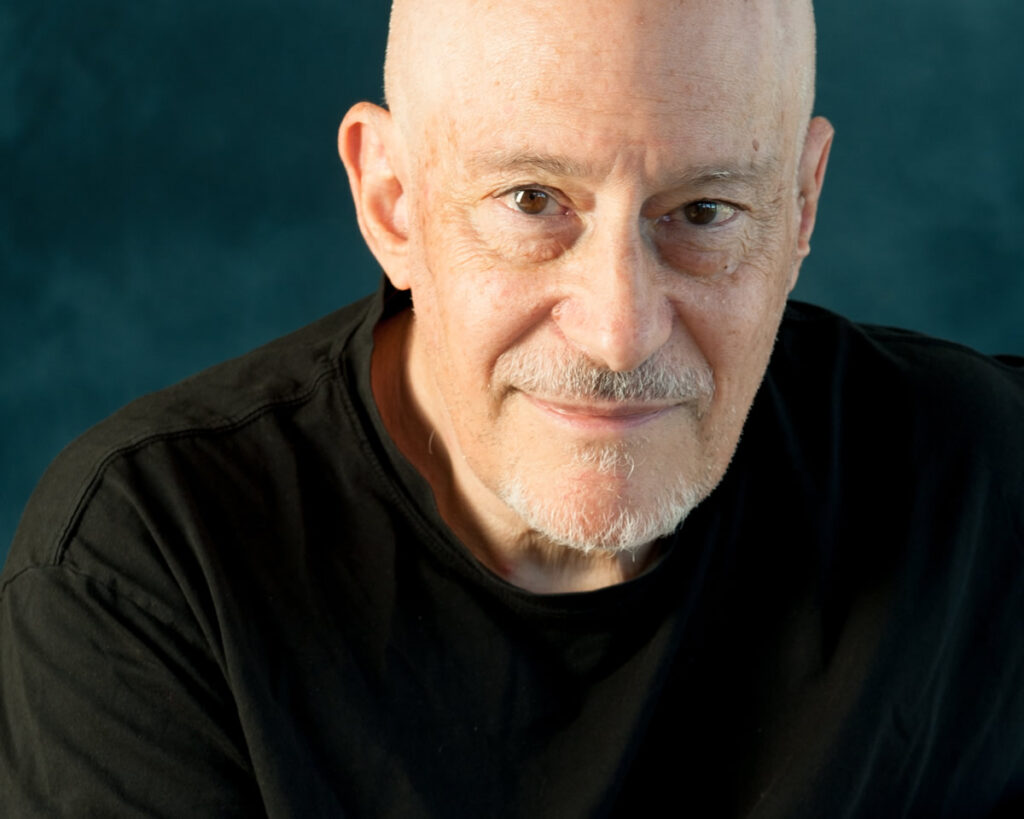
Shinzen Young himself is a unique and influential figure within modern American Buddhism. A famed mindfulness teacher, he is known for his systematic approach to meditation known as Unified Mindfulness. Born a Jewish-American, he developed an early interest in religious studies. He went on to receive a PhD in Buddhist Studies, and spent three years living as a monk in the Japanese Shingon (Vajrayana) tradition at Mount Koya, where he received the name Shinzen. As he described himself:
“I’m a Jewish-American Buddhist-informed mindfulness teacher who got turned on to comparative mysticism by an Irish-Catholic priest and who has developed a Burmese Japanese fusion practice inspired by the spirit of quantified science”
-Shinzen Young
He continues to lead residential retreats throughout North America.
Eventually, the group began to take on the responsibility of putting together their own meditation retreats throughout the Kansas City Area. In 1992, they began calling themselves the Mid America Dharma Group. Between 1996 and 1997, they incorporated as a nonprofit organization in Kansas City and secured official IRS nonprofit status. Over the years the name has been shortened Mid America Dharma, but the mission remains largely the same: to spread the Buddha’s teaching and the insight meditation tradition while supporting practitioners across the Midwestern United States.
Source: Mid America Dharma website (“History”); Shinzen Young Official Website
Teaching Tradition and Lineage
Mid America Dharma is rooted in the Insight Meditation (Vipassana) lineage. Insight Meditation centers derive their teachings from the Theravada Buddhist tradition of Sri Lanka and Thailand, Burma, and Laos. The Western insight meditation movement largely took off in the 1970s, and today there is a large network of westernized insight meditation centers across the United States. The practice of insight meditation traces back to the original teachings of orthodox Buddhism, but has evolved and developed over time as it took on new forms in the West. At Mid America Dharma however, more or less emphasis may be placed on the Theravada teachings depending on the details of the retreat.
Insight Meditation
Mid America Dharma works to present the Dharma and insight meditation in an accessible and secularized way, often decentering the supernatural elements, and focusing on the psychological benefits of meditation for individuals.
Mid America Dharma defines insight meditation as
“An easily accessible way to free the mind from the distortions of self centeredness, craving, negativity, and confusion,”
Through focused awareness, practitioners can gain insight into the impermanent nature of their life experience, and how every aspect of life can be accepted with increasing balance and equanimity. Rather than release from samsara, they include that the insight gained through meditation leads to the possibility of living each moment fully with goodwill and compassion and with freedom from unsatisfactoriness and suffering.
This is different from Insight Meditation in the classical Theravada tradition, which is where, by focusing on the observation of the impermanence of the 5 aggregates, one can travel a direct path to the realization of Nirvana, escaping the cycle of rebirth. While grounded in Buddhist teachings, Mid America Dharma emphasizes that the reasons for sharing the Buddhist teachings are somewhat different, and they are to be used as a practical guide “for coming to live with more ease and equanimity.
Source: Mid America Dharma website (“What is Insight Meditation?”); Theravada.gr (Insight Meditation Overview)
Values
Mid America Dharma is entirely run by volunteers, and neither teachers or board members receive salaries. Instead, the organization relies on dana (generosity). Teachers offer their instruction for free and participants donate voluntarily to support them. The organization also emphasizes ethical conduct and accountability. Its publicly available ethics policy outlines expectations for the community and its efforts to avoid harm and misconduct. Additionally, the group has a published Statement on Racism and Oppression, which reflects a broader movement within Western Insight Meditation more broadly to address racial, gender, and social inequities, and open their program so that it is available to anyone interested.
Source: Mid America Dharma website (“Ethics Policy”; “Statement on Racism and Oppression”)
Events and Activities:
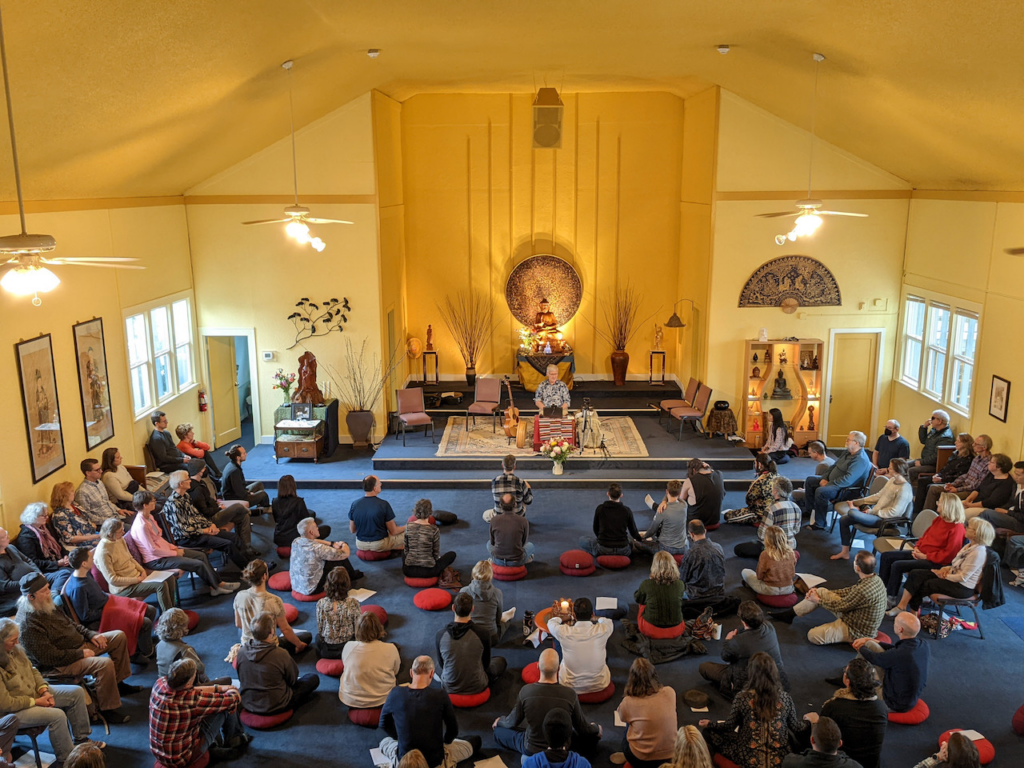
Mid America Dharma is primarily known for hosting meditation retreats. They offer
- Residential retreats: typically held at established retreat centers in a variety of locations surrounding Kansas City. These retreats often range from three to seven days and follow a traditional silent retreat structure.
- Non-residential retreats: participants attend during the day but do not stay overnight. These allow participants to practice without committing to overnight travel.
- Online retreats: Originating out of the Covid-19 pandemic, online retreats remain popular. They broaden access to the Dharma to practitioners outside the midwest and reduce costs.
Retreats include extended periods of silent practice, structured meditative instructions, dharma talks, and conversations with meditation teachers. Social media and technology are largely discouraged during retreats.
The length of a retreat can vary, making Mid America Dharma accessible to beginners and experienced practitioners as well. In a region of the US where Buddhist communities are few and far between, flexible formats help maintain a steady population of practitioners.
Source: Mid America Dharma website (“Retreats” and event listings)
Funding (Dana)
Mid America Dharma relies on dual funding from retreat fees and voluntary donations. Retreat fees can vary, with online retreats sometimes costing under $100, while longer residential retreats can exceed $1,000. This fee covers facilities, food, and operations, but the teachers themself are not compensated through fees.
Outside of retreat costs, Mid America Dharma relies on donations, which help cover operational expenses, but not staff salaries. All of the teachers participate out of their own compassion commitment to the Dharma. The donations also cover their living expenses and allow them to continue teaching.
Additionally, Mid America Dharma has a scholarship fund, which makes it possible for individuals unable to afford to attend a retreat be able to do so. This fund underscores a commitment to accessibility, especially within the Midwest where access to Buddhist communities is more limited than other areas of the United States.
Source: Mid America Dharma website (“Dana” and retreat information)
Demographics
It is difficult to calculate exact membership numbers for Mid America Dharma because practitioners sign up for retreats and are not required to formally “join” the organization for any ongoing amount of time beyond their retreat. However, we can make some general conclusions consistent with other meditation centers in the Midwest.
- Predominantly older adult practitioners (30-70 years old)
- Mostly white, middle or upper-class participants
- Balanced gender distribution
Demographic information inferred from public retreat listings and organizational descriptions on the Mid America Dharma website
Schedule
Mid America Dharma runs a variety of events, generally offering at least one residential retreat each month. Participants can register online at the Mid America Dharma website, and retreats are held both remotely and in person at a variety of locations, including the Creighton University Retreat Center, Griswold, IA, and the Mercy Center in St. Louis, MO. Online retreats are hosted through video conference, and allow for a wider range of participation beyond the midwest.
Awakening Joy: Online Course (January-June)
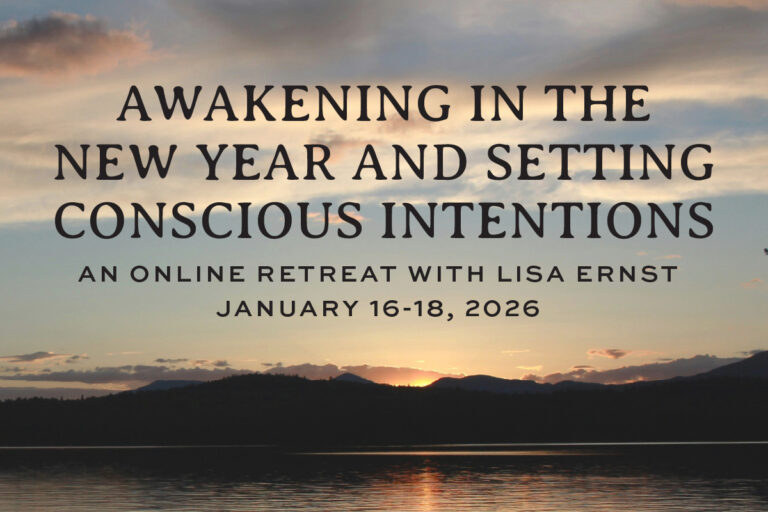
Awakening in the New Year and Setting Conscious Intentions (Online Retreat)
Living the Buddha’s Teachings (Residential Retreat)
Source: Mid America Dharma retreat schedule
Board of Directors
Mid America Dharma operates under a board of directors. The board members come from various states across the MidWest, and operates on a volunteer basis. The board is an administrative body, but is also a community of active insight meditation practitioners, and board members manage committees, plan retreats and oversee general operations.
President: Lucy Freedmen
Vice President: Diana Taylor
Secretary: Joe McCormack
Treasurer: Carl Wingo
Other: Dianne Asher, Erik Hulse, Phil Jones, Kyle Sorys, Mark Wiesman
Source: Mid America Dharma website (“Board of Directors”)
Unique Features
Online Videos: Mid America Dharma has a large library of recorded dharma talks and guided meditations available at no cost on their website.
Biannual Newsletter: the Mid America Dharma Newsletter is published every six months. It contains articles about upcoming retreats and information about meditation teachers leading them. It often includes other information about dana (generosity), the five precepts and other things. It is totally free to subscribe to receive the newsletter.
Source: Mid America Dharma website (“Audio Talks”; “Newsletter”)
How do members situate themselves among the broader monastic community?
Mid America Dharma is part of the broader Western Insight Meditation community, which adapted Theravada Buddhist ideas into Western lay practice. They emphasize mindfulness practices, and are accessible to anyone, no matter their prior knowledge and experience of Buddhist teachings. Thus, they are Theravada influenced but are not a monastic community.
They are very focused on community outreach in the Midwestern United States and have a strong network of teachers. Mid America Dharma’s meditation teachers often also teach at IMS, Spirit Rock, and other insight meditation centers, strengthening their place within the broader insight meditation community.
SOURCES:
- “About Shinzen Young.” 2023. Shinzen Young. December 5, 2023. https://www.shinzen.org/about/
- admin. 2024. “Insight Meditation -.” Theravada.gr. April 19, 2024. https://www.theravada.gr/en/practices/insight-meditation/
- “Mid America Dharma.” 2025. Mid America Dharma. October 23, 2025. https://midamericadharma.org/