By: Arie van Dam
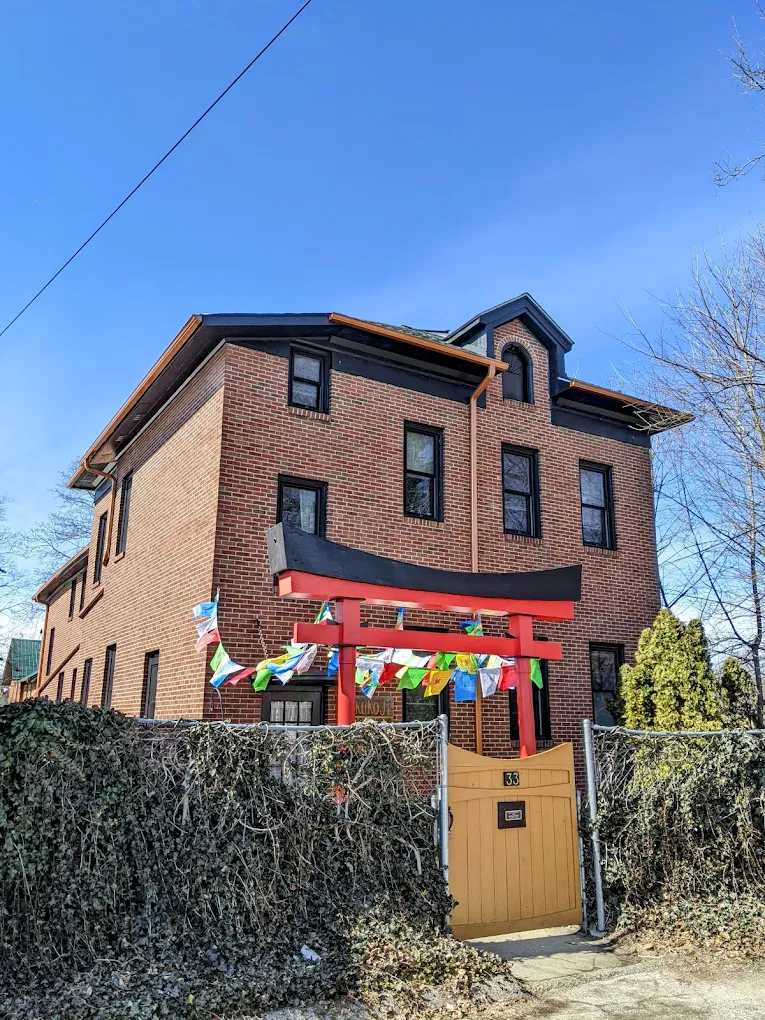
The Sokukoji Buddhist Temple Monastery is located at 33 Anderson Court in downtown Battle Creek, Michigan. It was established in 2007 and describes itself as a part of the Sōtō Zen Buddhist tradition. The complex consists of the main temple building which holds the meditation hall fit for 100 people, the altar, and the community gathering space, as well as two separate buildings which hold residents of the monastery and meeting rooms for students and visitors. It primarily gains revenue through donations and has received upwards of $420,000 to date.
The name “Sokukoji” is a Japanese term roughly translated to “Temple of Immediate Light”, which was chosen for the community’s emphasis on seeing the true nature of mind in everyday life. Even though the temple is stationed in Battle Creek, a large portion of the community tends to practice online through Zoom meetings, which attract practitioners from over 30 US states and more than 20 countries. In addition, it holds a formal resident training program that houses seventeen students at a time in person at the monastery.
Founding Teacher:
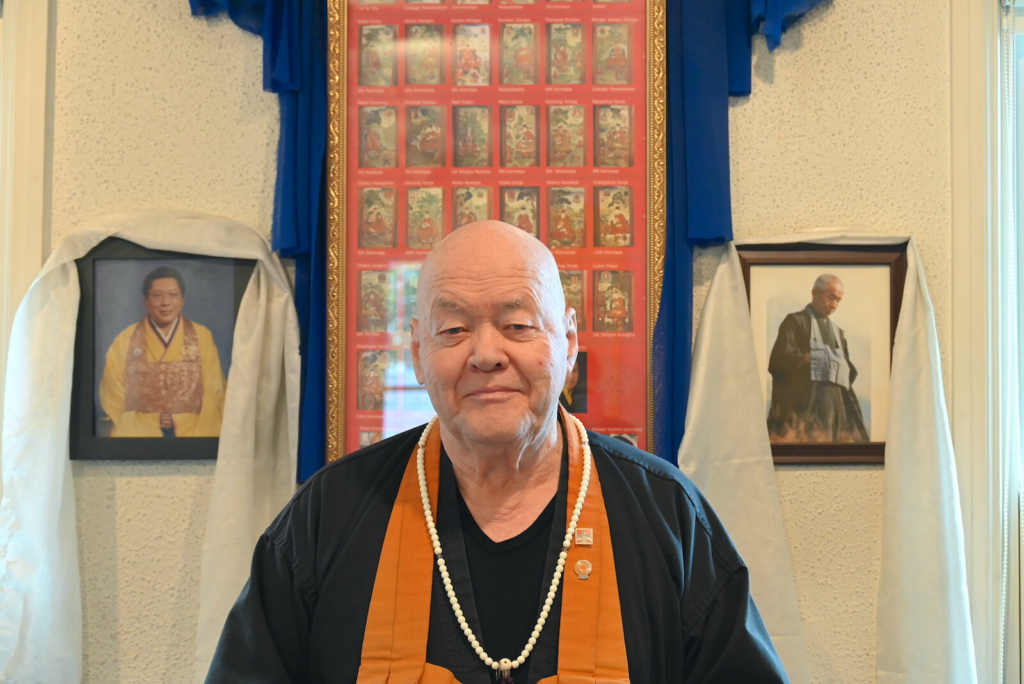
The temple and community was first established by Kyoun Sokuzan, formerly known as Bob Brown, who is the founding abbot and principal teacher at the Sokukoji monastery. He was born and raised in Battle Creek, and in 1960, during his time in the Marine Corps, he discovered Zen practice through reading Paul Rep’s book: Zen Flesh, Zen Bones. This initial spark led Kyoun to a serious commitment to Zen Buddhism in the early 70’s culminating in reading Cutting Through Spiritual Materialism by Chögyam Trungpa Rinpoche, inspiring him to seek out Trungpa as a teacher.
Milestones in Sokuzan’s training:
1974: Attended his first summer session at the Naropa Institute in Boulder, Colorado, founded by Trungpa Rinpoche
1975: Created a Dharma Study Group in Battle Creek, giving weekly meditation practice and literature study in addition to monthly retreats. Laid the foundation for what would become the Sokukoji monastery
1978: Ordained as an authorized meditation teacher through Vajradhatu, Trungpa Rinpoche’s organization in Boulder
1980: Completed his studies at Vajradhatu Seminary
1990s: Met Kobun Chino Otogawa Roshi, a Japanese Zen master within the Sōtō lineage and became his student.
2003: Returned to Battle Creek to restart his study group from the early 70s
2007: Received a complete ordination as a Zen priest in the Sōtō tradition, officially establishing the Sokukoji Buddhist Temple Monastery
2013: Given Dharma transmission from Kuzan Shoho Muchael Newhall, making him a transmitted teacher in the Sōtō school
The Order of Immediate Light
Although the Sokukoji monastery is formally known as a Sōtō Zen temple, it has a somewhat hybrid lineage as its practice stems from teachings of Chögyam Trungpa Rinpoche in the Kagyu tradition, and Kobun Chino Roshi in the Sōtō Zen tradition. Acknowledging this blending of schools, Sokuzan formally established the Sokukoji Buddhist Temple Monastery as a separate order in November of 2020, naming it the Order of Immediate Light.
The Order has three “Guiding Tenets”, which are not formal, rigid rules as much as they are guidelines for understanding awareness. Residents of the monastery and lay practitioners are encouraged to investigate how awareness shows up “as it is”, noting that it does not stick to fixed identities, feelings or even specific Buddhist perceptions of it.
- Consciousness always finds its own form
- The form consciousness finds is empty as it appears and full as it is
- As consciousness finds its own form, it can disown territory and release implied boundaries of self and other, without acceptance or rejection
Schedule and Activities:

Sokukoji offers both online and in person practices every day of the week.
Morning Meditation:
Mon & Sat: 8:00 am – 12:00 pm
Tues/Wed/Fri: 8:00 – 9:00 am
These blocks are built around zazen (sitting meditation) in the zendo, typically combined with Sōtō mantra chanting. When the Saturday block is not an all day retreat, it occasionally includes book study and discussion.
Afternoon Meditation:
(Mon, Tues, Wed, Fri – 2:30–4:30 pm)
2:30 – Zazen
3:00 – Maitri Bhavana (a loving-kindness style practice)
3:10 – Zazen
4:45 – Jizo Dharani Chant
4:55 – Zazen
Evening and Weekly services:
Wednesday evening (7:00 pm): Short zazen chanting and additional meditation practice
Monday and Friday (6:00-6:45): “As It Is” meditation held on Zoom by Sokuzan
Sunday Morning (10:00 am): Weekly gathering with chanting, meditation, and Dharma discussion lead by Sokuzan or another teacher from the monastery
Extended retreats days:
Thursday block sitting (8:00am- 12:00pm, and 1:00 pm- 5:00 pm): four hour blocks of focused zazen meditation
Last Saturday of each month (8am- 4pm): All day retreat in the Sokukoji community with a morning meditation service, afternoon 11am Dharma talk led by Sokuzan, lunch and afternoon practice including zazen, Maitri Bhavana, Jizo Dharani, and a dedication of merit. The retreat is held free of charge but a $25 donation is suggested.
Solitary retreats: some students are invited by request to do solitary retreats within the monastery, which are granted after interviews with Sokuzan who tailors the experience to the individual.
Ango Retreat (February): Month long intensive practice where the sangha is invited to commit to 28 days dedicated to Sokuzan’s central teaching: “Train Your Mind”. Includes 50 hours of meditation per week with daily Dharma talks and 15 minute Q&A sessions held every weekday evening.
Denko-e Sesshin (Fall): Retreat held intermittently in the fall, has a less strict schedule but typically runs from 5am to 9pm each day including zazen, walking meditation, and oryoki style meals for participants. Denko-e translates to “Transmission of the Light,” a name borrowed from Sokuzan’s zen master, Kobun Chino Otogawa.
Outreach:
The Sokukoji monastery has a long standing community outreach program, with particular emphasis on prisons and rehabilitation centers. Its members frequently do volunteer work with the Michigan Department of Corrections and various local drug rehabilitation clinics in order to support “people where it is needed regardless of their backgrounds or religious affiliations”. The temple gives monthly spiritual support to any inmates who request it, but typically conducts meditation instruction and Dharma talks to incarcerated Buddhists.
Living Council:
Sokukoji has developed a formal structure for the monastery known as the “Living Council”, to create a set of rules designed for the well-being of members who stay at the temple. It contains a grievance policy which addresses conflicts, mistreatment, and abuse in order to create a safe environment for the community.
The policy describes:
– Using the Sixteen Bodhisattva precepts including the three refuges, three pure precepts, and ten grave precepts as guidance for addressing conflict, particularly issues surrounding speech, power and sexuality.
– Recognizing that the precepts are “not rules to be followed blindly, but are to be observed with intelligence”
– A detailed process for filing grievances, assembling meetings that avoid blame and interrogation, and in some cases forming a council of trained monks to sort out more serious misconduct.
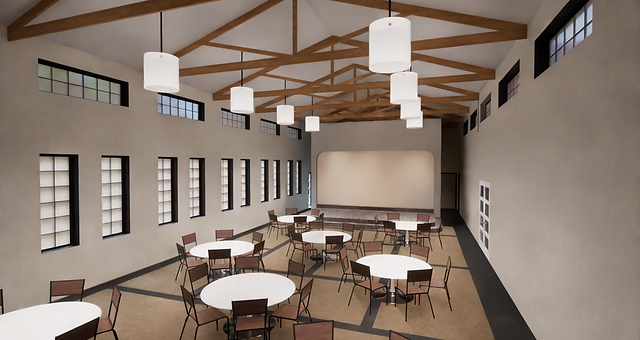
The monastery is also currently in the process of separating the Community Mindfulness Center to become its own entity, related to the temple but as a more secular project. It aims to be an inclusive space for the surrounding Battle Creek area to practice mindfulness and engage in mental health support. Once complete, the center will offer secular meditation classes, yoga, and workshops based around anger, patience and communication. Still, being connected to the Sokukoji community, it will also hold explicitly Buddhist practices like classes and retreats. It has a donation goal of $1 million in order to renovate and finish the space.
Sources: