By Lapasakorn (Pac) Ractham
Wat Nawamintararachutis, or วัดนวมินทรราชูทิศ, located in Raynham, Massachusetts, is one of the largest temples outside of Thailand, which aims to serve as a major spiritual and cultural center for Thai-American communities around and in New England. The temple was built in honor of King Bhumibol Adulyadej (Rama IX); it combines modern designs with traditional Thai architecture that creates a tranquil environment for cultural learning, meditation, and worship. Wat Nawamintararachutis not only offers religious practices, but they also offer programs teaching Thai language, music, dance, and community service, allowing for a vibrant cultural lifestyle where visitors can experience both Buddhist teachings and living Thai heritage.
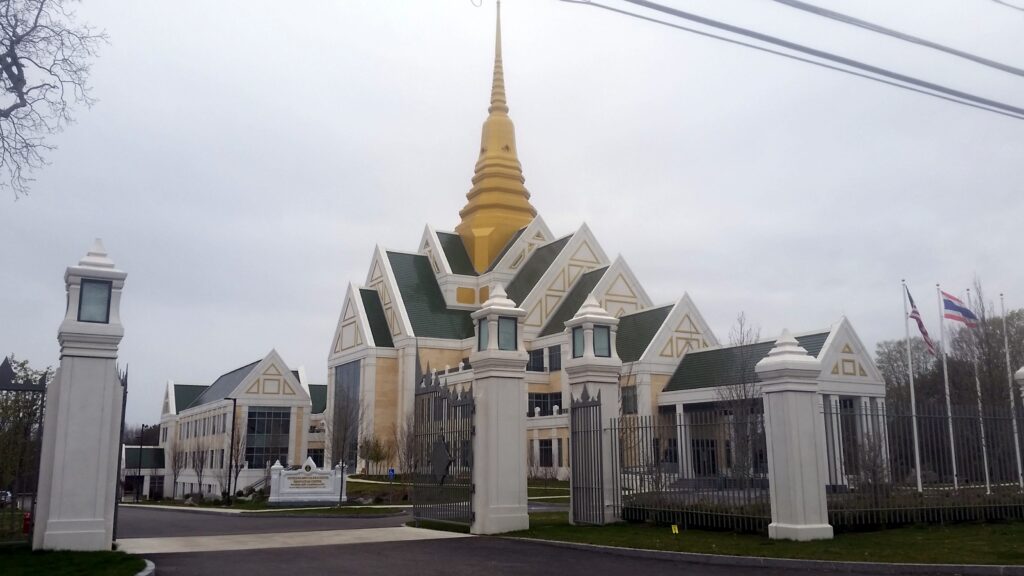
The Temple’s name and Historical Background
The name Wat Nawamintararachutis (วัดนวมินทรราชูทิศ) comes with cultural and historical significance, as it was chosen to honor King Bhumibol Adulyadej (Rama IX), Thailand’s dearest ninth king. The term Nawaminthra (นวมินทร) combines the Thai-Pali words of “nine (Nawa นว)” and “great king (Minthra มินทร),” directly referencing Rama IX, while Rachutit (ราชูทิศ) means “dedicated to the king.” When combined, the name translates to “The Temple Dedicated to the Ninth King.” This symbolizes the Thai community’s love, gratitude, and respect for King Rama IX for his lifelong service, moral leadership, and compassion. The temple thus signifies not only a place for Buddhist practices but also a place showing Thai identity and honoring one of Thailand’s greatest historical kings.
Beginning in 2002, Thai residents in the Boston area looked to create a major center for Buddhist practices and Thai culture building around honoring King Bhumibol Adulyadej (พระบาทสมเด็จพระปรมินทรมหาภูมิพล อดุลยเดช) (Rama IX). After residents formed an organizing committee, they purchased a 55-acre property in Raynham, Massachusetts, in 2006. In 2011, construction of traditional Thai architectural structures blended with modern materials, with much of the material being shipped directly from Thailand to maintain authenticity. Officially, the temple opened in 2014 and quickly became one of the largest Thai Theravada Buddhist temples outside of Thailand, showing the determination of Thai communities in Boston to preserve and teach Thai traditions within Buddhism.
Architecture and Facilities
Wat Nawamintararachutis is famous for its cultural architecture, which blends traditional Thai temple design with modern ideas to create one of the most striking Buddhist structures in the United States.
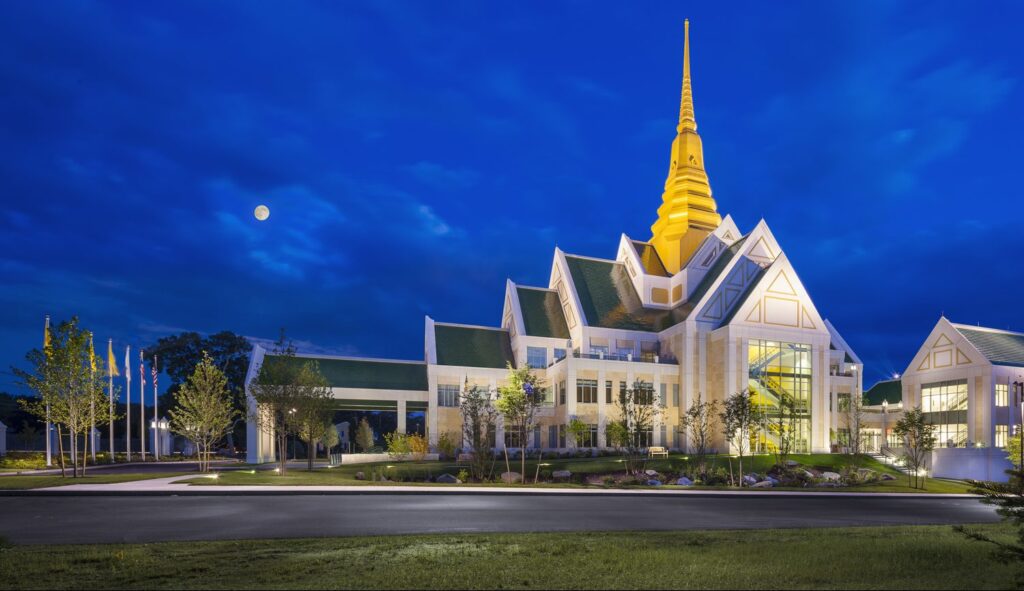
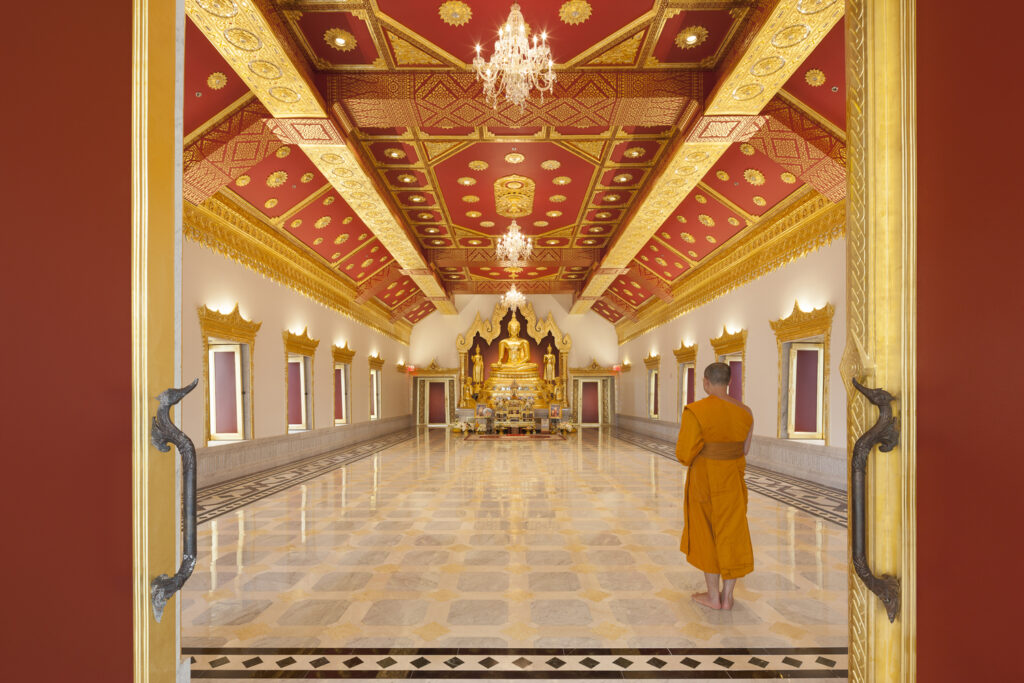
The temple covers around 110,000 square feet, which features a grand ordination hall furnished with intricate carvings, gilded accents, and statues imported directly from Thailand to emphasize cultural authenticity. The structure includes high-quality materials such as Jerusalem limestone, custom concrete panels, and traditional Thai clay roof tiles. The main meditation hall can hold hundreds of practitioners and is designed for traditional chanting and ceremonies with enhanced acoustic walls. The surrounding area from the main hall offers Thai Buddhist symbols such as multi-level roofs, Naga serpent motifs, and lotus details signifying Thai culture. Around the temple stand community spaces, monk residences, cultural classrooms, and landscaped grounds that give a peaceful and meditative environment. The temple’s surrounding area also includes gardens, outdoor shrines, and quiet walking paths, allowing practitioners to reflect and immerse themselves in forest meditative practices. These facilities support both cultural education and spiritual practice, allowing this temple to function fully as a Thai Buddhist center in New England, exemplifying Thai culture to the United States.
Mission and Cultural Role
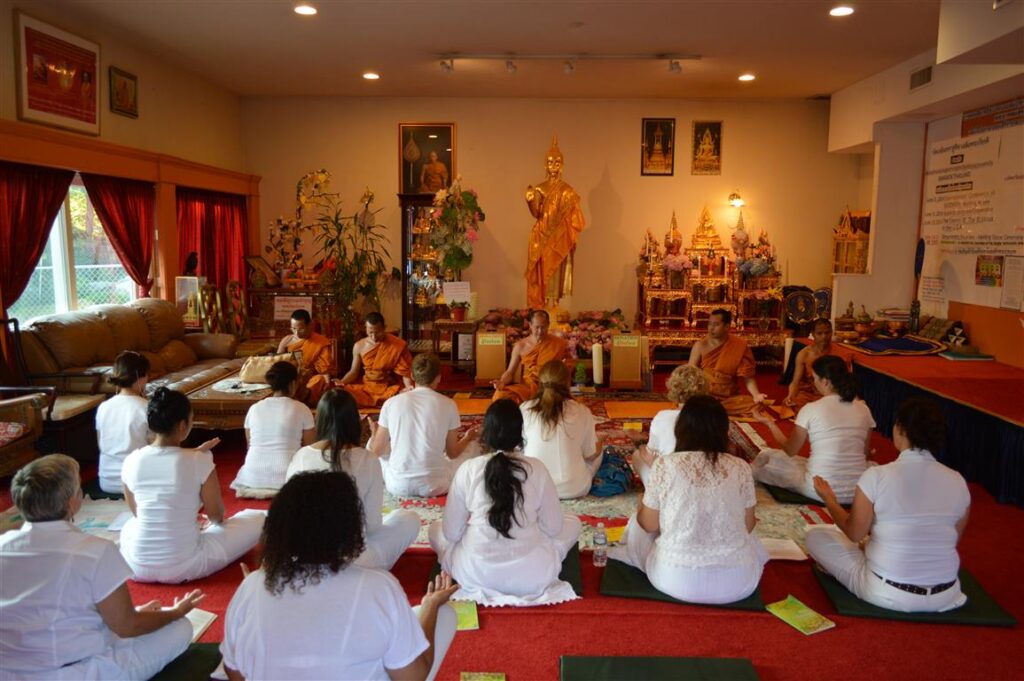
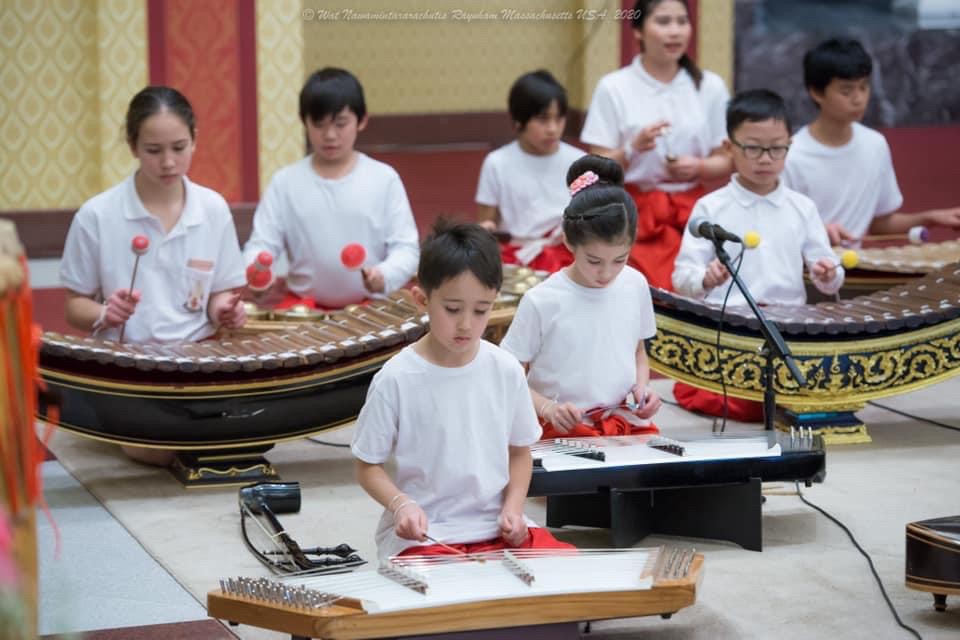
Wat Nawamintararachutis serves as a spiritual, educational, and cultural refuge where practitioners of all backgrounds can learn, practice, and experience the principles of Theravada Buddhism. The temple is committed to promoting compassion, mindfulness, and moral integrity through their meditation programs, Dharma teachings, and community engagement. Beyond the temple’s spiritual practice, it plays a vital role in preserving and promoting Thai cultural identity within the United States. The temple offers structured and informative programs in classical dance, Thai language, traditional music, and cultural etiquette, making sure that young Thai-Americans can remain connected to their heritage and that non-Thai visitors are able to gain a deeper appreciation of Thai traditions. Moreover, the temple emphasizes major cultural celebrations such as Loy Krathong, Songkran, Visakha Bucha, and the late King Rama IX’s commemorations, bringing together diverse communities and creating meaningful opportunities for cultural exchange. In order for the preservation of culture and learning efforts, the temple collaborates with local organizations, schools, and cultural groups to promote intercultural understanding in the New England area. Combining all of what the temple does, Wat Nawamintararachutis looks to not only introduce and strengthen people in their Buddhist journeys, inner peace, and ethical living, but also to spread the cultural understandings of Thailand, allowing for a place of identity and multicultural understanding.
Deeper look into cultural preservation
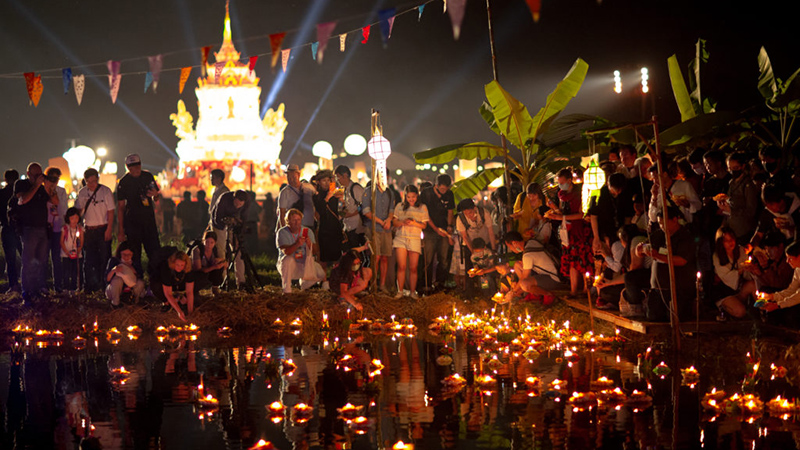
Wat Naramintararachutis plays a key role in preserving Thailand’s most important cultural and religious festivals. During Songkran (สงกรานต์), the Thai New Year, the temple holds traditional water-pouring ceremonies honoring elders, cultural performances, and merit-making activities that show gratitude to life and one another. For Loy Krathong (ลอยกระทง), the festival of lights, the temple encourages people to build and float unique decorated krathongs as an act of letting go, forgiveness, and appreciation for the water that looks after all life. Visakha Bucha (วิสาขบูชา), being one of Buddhism’s most sacred holy days that signifies the birth, enlightenment, and passing of the Buddha, is celebrated at the temple with chanting, meditation, Dharma teachings, and candlelight parades led by monks. Furthermore, building on the temple’s foundation of honoring King Rama IX, the temple will host special ceremonies on the anniversary of his birth, passing, and other significant royal dates that signify the brilliance of Thailand’s Ninth Monarch. These celebrations allow for both Thai and non-Thai visitors and practitioners to experience the abundance of Buddhist culture and community right in the United States.
Buddhist Practice and Activities
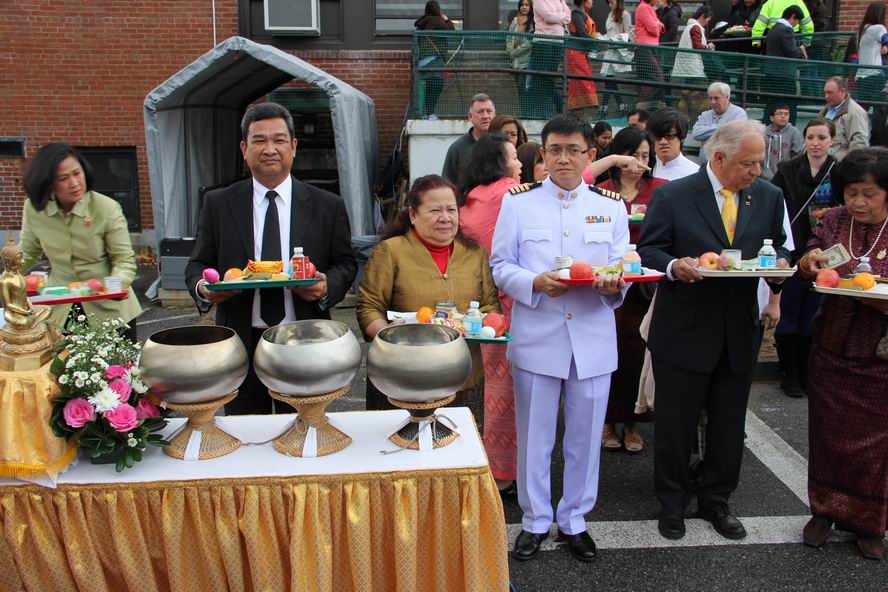
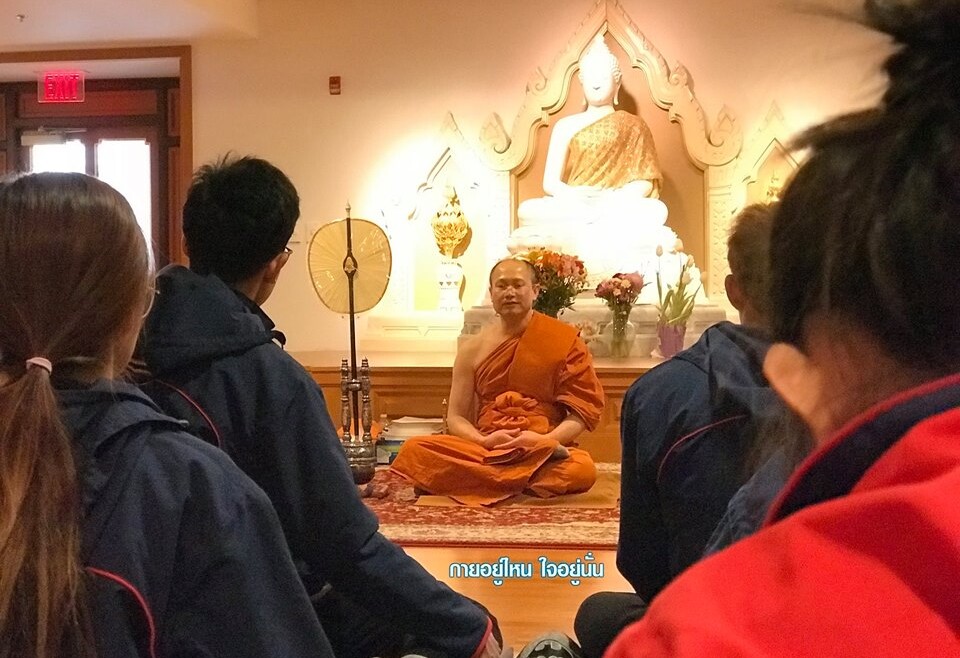
Buddhist practices and activities are a key practice at Wat Nawamintararachutis, centered on compassion, mindfulness, and ethical living through the teachings of Theravada Buddhism. The temple holds regular meditation sessions with both seated and walking meditation, led by monks that are trained in traditional Thai monastic disciplines. A lot of the sessions provide guided breathing techniques, reflections on impermanence, and practical instructions on how to live a mindful daily life. Visitors and practitioners can join in with chanting services, Dharma talks, and merit-making ceremonies that preach the core principles of the Buddha’s path. The temple also offers structured meditation retreats that range from weekend programs to multi-day intensive sessions that are designed to help practitioners dig deeper into insight and mental clarity. Along with retreats, the temple will host craft workshops, occasional cultural exhibitions that showcase Thai art and history, and youth leadership programs to immerse the young Buddhist community in embracing their religion. Furthermore, for families and young practitioners, the temple offers Sunday school programs that teach Buddhist precepts, meditation, and moral storytelling both in Thai and English. Community gatherings, such as food fairs, volunteer events, and holiday celebrations, also create a welcoming atmosphere where families can socialize and learn from each other’s unique experiences. To further strengthen the temple’s spiritual community, they offer rituals such as offering alms to monks, observing Uposatha days, and engaging in community service. Through these activities, the temple offers authentic and accessible opportunities for anyone wanting to learn and practice Buddhism.
Visiting and Practical Information
Visiting Wat Nawamintararachutis allows for a peaceful and welcoming experience for people who are interested in Thai culture, Buddhist practices, or the temple’s majestic architecture. The temple is open to the public, with visitors encouraged to dress modestly, remove shoes when entering sacred areas, and maintain a quiet, respectful atmosphere whilst venturing through meditative and worshiping halls. Photography is allowed on normal days but can be restricted during religious or personal ceremonies. The temple offers sufficient parking, and most events, for example, meditation sessions, festivals, and cultural programs, are clearly advertised on the temple’s website for people who want to plan on visiting. People who visit for the first time can join in a guided meditation, explore the temple’s architecture, or observe traditional rituals to get a first look at the Buddhist practices provided here. Visiting during weekend programs or festival days can be beneficial in exposing yourself to Thai Buddhist culture, often with volunteers giving guidance and answers to potential questions. Donations are welcomed but not required, as they help support the preservation of the temple and fund traditional rituals.
Significance:
The significance of Wat Nawamintararachutis is more than just a place of worship; it points towards a powerful tool of cultural preservation, community identity, and spiritual landmark for Thai-Americans in New England. Being one of the biggest Thai Theravada Buddhist temples outside of Thailand, it acts as the evidence of the dedication and unity of Thai communities who worked together to honor the legacy of King Bhumibol Adulyadej (Rama IX), creating a significant cultural institution for future generations of Thai-Americans. The temple provides a place where traditional Thai values, language, arts, and religious events can work together to maintain Thai culture within the US. Lastly, the temple’s open and inclusive mission allows the opportunity for people from all over to experience Buddhist teachings, participate in cultural celebrations, and meet new people within the Buddhist community. With its architecture, events, and community, Wat Nawamintararachutis signifies the preservation of cultural heritage and shared human connections in the New England area.
Sources:
https://en.wikipedia.org/wiki/Wat_Nawamintararachutis
https://wfbhq.org/news-detail.php?id=002000137
https://www.acentech.com/project/nmr-meditation-center/
https://pluralism.org/wat-nawamintararachutis-nmr-buddhist-meditation-center
https://www.bscgroup.com/news/grand-opening-nmr-meditation-center-raynham-ma/
https://turnto10.com/archive/gold-topped-temple-opens-in-raynham